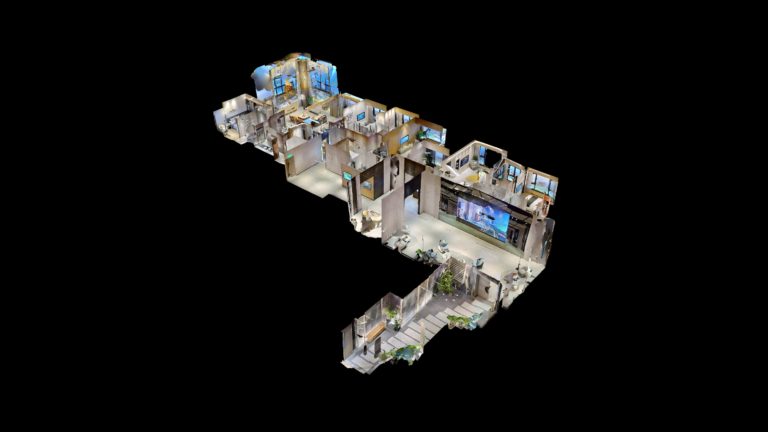
Location is the single most consequential decision in warehouse leasing. In a market as infrastructure-driven as Metro Manila, the right address can determine delivery timelines, operating costs, and long-term scalability—all at once.
The industrial real estate landscape across Metro Manila and its surrounding growth corridors is undergoing a structural shift. Warehouses are no longer passive storage facilities. They are mission-critical infrastructure: the nodes through which e-commerce fulfillment, cold chain logistics, regional distribution, and last-mile delivery are coordinated across the Philippines.
For businesses making warehouse leasing decisions in 2026, the question is rarely whether to lease—it is where. And that decision carries real operational and financial consequences. Proximity to expressways, seaports, airports, and commercial centers directly affects delivery timelines, fuel costs, fleet efficiency, and a company’s ability to scale.
This guide covers industrial warehouse locations across Metro Manila and its surrounding provincial corridors—collectively referred to as Mega Manila (including Cavite, Laguna, and Bulacan)—what drives leasing decisions in each area, and the key due diligence points every business should address before signing a lease.
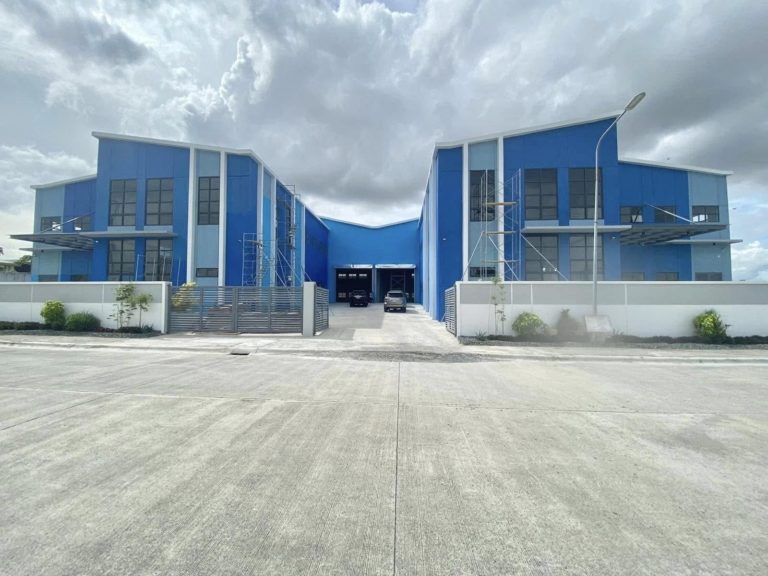
Why Industrial Warehouses Are in Higher Demand Than Ever
The Philippines’ logistics infrastructure is expanding in direct response to three converging forces: the continued rise of e-commerce, the modernization of domestic supply chains, and significant government investment in road, port, and airport connectivity across Luzon.
E-commerce platforms, third-party logistics providers (3PLs), fast-moving consumer goods (FMCG) companies, and pharmaceutical distributors are all competing for the same limited stock of well-located industrial space. Same-day and next-day delivery expectations—increasingly the norm in Metro Manila—require warehouse networks positioned closer to population centers.
At the same time, supply chain disruptions in recent years have pushed many businesses to increase safety stock and buffer inventory, driving demand for additional warehouse capacity across the region.
The Department of Trade and Industry has consistently identified logistics infrastructure and supply chain development as among the most important enablers of economic growth and commercial competitiveness in the Philippines. The market is responding accordingly: vacancy rates in well-located industrial zones have remained tight, and development pipelines across Cavite, Laguna, and Bulacan continue to expand.
For businesses evaluating warehouse options in 2026: the strongest locations are filling fast. Strategic decisions made now will shape operational efficiency for years.
Metro Manila's Industrial Warehouse Hotspots at a Glance
Before examining each area in depth, the table below provides a quick reference for businesses comparing key industrial corridors across Metro Manila and surrounding provinces.
| Location | Best For | Key Access Routes |
|---|---|---|
| Cavite (Gen. Trias, Imus, Rosario) | Regional distribution, e-commerce, FMCG, trucking depots | CALAX, CAVITEX, SLEX |
| Laguna (Sta. Rosa, Biñan, Calamba) | Manufacturing supply chains, cold chain, pharmaceutical | SLEX, STAR Tollway |
| Bulacan (Bocaue, Balagtas, Plaridel) | Northern Luzon distribution, large-format storage | NLEX, TPLEX, NAIA road links |
| Valenzuela City | Urban fulfillment, FMCG last-mile, same-day delivery | NLEX, A. Bonifacio Ave |
Cavite: The South's Fastest-Growing Industrial Corridor
Among the provinces surrounding Metro Manila, Cavite has emerged as the most active industrial real estate market in the country’s southern growth corridor. Its combination of highway access, available land, competitive lease rates, and proximity to Manila’s commercial core makes it a natural first choice for logistics operators, distributors, and e-commerce fulfillment businesses.
Why Businesses Choose Cavite
The province sits at the intersection of two of Luzon’s most important expressways: CAVITEX (Cavite Expressway), which provides a direct western link into Manila, and CALAX (Cavite-Laguna Expressway), which connects Cavite eastward through Laguna toward SLEX, opening efficient routing toward Batangas Port and the broader southern Luzon network.
For logistics operators managing distribution across Metro Manila and southern provinces, this dual expressway access is difficult to replicate. Trucking fleets based in Cavite can efficiently reach Manila, CALABARZON destinations, and Batangas Port within predictable travel windows-—a critical factor in supply chain planning.
Key Cavite Industrial Towns
- Rosario and General Trias: The most established industrial towns in Cavite, with a high concentration of warehousing and light manufacturing facilities. Rosario in particular benefits from its position along CAVITEX and its proximity to Manila ports.
- Imus and Dasmariñas: More centrally located within the province, these areas attract FMCG distributors, retail logistics operators, and businesses serving both Metro Manila and Cavite’s growing residential population.
- Silang and Gen. Aguinaldo: Emerging industrial areas positioned along CALAX, increasingly attractive for businesses requiring larger lot formats and lower lease rates with reasonable expressway access.
Compared to industrial zones within Metro Manila, Cavite generally offers larger warehouse footprints, higher ceiling clearances, and more competitive per-square-meter lease rates, making it particularly well-suited for high-volume operations requiring significant floor area.
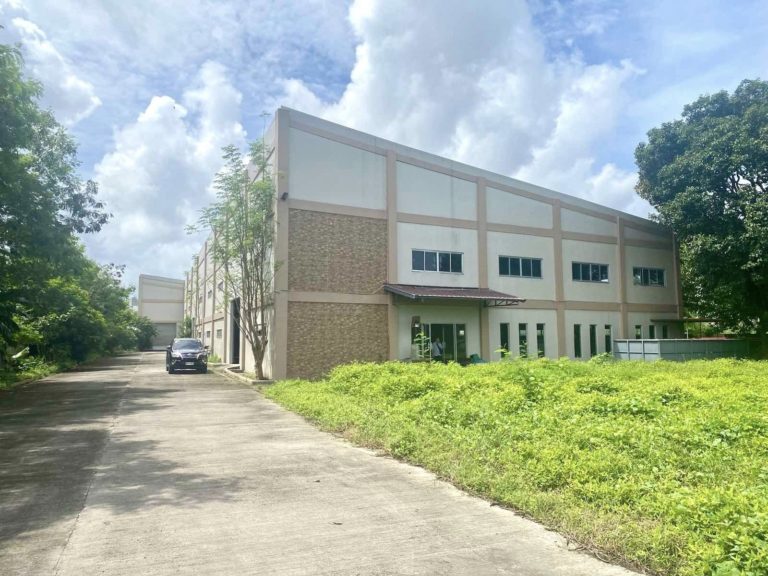
Laguna: Integrated Logistics Within a Mature Industrial Ecosystem
Anchored by the province’s concentration of PEZA-accredited economic zones, manufacturing parks, and established logistics facilities, Laguna has maintained a strong industrial identity for decades. For businesses operating within manufacturing supply chains, cold chain logistics, or pharmaceutical distribution, Laguna offers infrastructure depth that newer industrial corridors are still developing.
Strategic Advantages for Logistics Operators
The South Luzon Expressway (SLEX) remains Laguna’s most critical logistics asset. The expressway provides direct, high-speed access between Metro Manila and the province’s key industrial cities, and connects onward toward the STAR Tollway; which then links Laguna to Batangas Port, one of the Philippines’ most important seaport gateways for containerized cargo.
For businesses managing import-heavy supply chains or export manufacturing logistics, this port proximity meaningfully reduces drayage costs and customs handling complexity. Trucks moving between Batangas Port and Laguna-based warehouses can complete round trips efficiently—a significant operational advantage over facilities located farther north.
Key Laguna Industrial Cities
- Santa Rosa: The province’s most commercially developed city, with strong expressway access, established industrial parks, and proximity to Metro Manila. Highly competitive for logistics and FMCG distribution.
- Biñan: Home to several large industrial estates and economic zones. A strong base for manufacturing-adjacent warehousing and regional distribution operations serving both Metro Manila and southern Luzon.
- Calamba: Positioned near the STAR Tollway interchange, Calamba is strategically placed for businesses requiring efficient access to Batangas Port. The city has a growing concentration of pharmaceutical and cold chain logistics facilities.
Modern industrial facilities within Laguna increasingly feature improved truck court dimensions, higher eave heights (12 meters and above in newer developments), dedicated power transformer access, and in some cases, PEZA registration—which carries significant tax incentive implications for eligible businesses.
Bulacan: The Northern Gateway for Luzon-Wide Distribution
North of Metro Manila, Bulacan is rapidly evolving from a secondary industrial market into one of the Philippines’ most strategically significant logistics provinces. The catalyst: the New Manila International Airport (NMIA) currently under construction in Bulacan, combined with the North Luzon Expressway (NLEX) and Tarlac-Pangasinan-La Union Expressway (TPLEX)—which together provide access across the entire northern Luzon corridor.
Why Bulacan Is Attracting Long-Term Logistics Investment
For logistics operators and distributors managing supply chains that extend into Central Luzon, Cagayan Valley, Ilocos, or other northern provinces, Bulacan offers something the south cannot easily replicate: a northern staging point with direct expressway access to the full length of Luzon’s northern spine.
The development of NMIA adds another dimension. When operational, the airport is expected to serve as a significant air cargo hub, creating demand for cargo-integrated warehousing, bonded logistics facilities, and freight forwarding infrastructure in its immediate vicinity. Businesses establishing warehouse operations in Bulacan now are effectively positioning themselves ahead of that demand curve.
Key Bulacan Industrial Towns
- Bocaue and Marilao: The province’s most established industrial towns, with existing warehouse stock and proximity to NLEX access points.
- Balagtas and Plaridel: Growing industrial areas with available land for large-format developments. Increasingly attractive for businesses requiring truck depots, consolidation hubs, or large-scale storage.
- Pulilan and Calumpit: Northern Bulacan areas gaining interest for their access to Central Luzon distribution networks.
Compared to more established industrial zones close to Metro Manila, Bulacan currently offers the most attractive combination of land availability, lower lease rates, and long-term upside, particularly for businesses planning capacity expansion over a five-to-ten-year horizon.
Valenzuela: Urban Proximity When Delivery Speed Matters Most
Within Metro Manila proper, Valenzuela City remains the capital region’s most established industrial district. Its defining advantage is simple: it is inside Metro Manila, which means businesses based here can execute urban delivery runs that provincial locations structurally cannot match.
For companies operating same-day delivery services, high-frequency restocking programs, or direct-to-store FMCG distribution across Metro Manila, the logistics mathematics strongly favor a Valenzuela address. Proximity to Quezon City, Caloocan, Manila, and Malabon means shorter delivery routes, lower fuel consumption per trip, and faster turnaround cycles—all of which compound into meaningful operating cost advantages over time.
The city’s established industrial infrastructure also includes long-standing trucking networks, established freight forwarders, and service providers familiar with the density and routing complexity of Metro Manila urban logistics. This institutional ecosystem is difficult to replicate quickly in newer industrial zones.
Ceiling heights and lot dimensions in Valenzuela are generally more constrained than what newer provincial developments offer. However, for businesses where delivery speed and urban market proximity outweigh the need for large warehouse footprints, Valenzuela continues to offer a competitive and operationally irreplaceable position.
Cold Storage Warehouses: The Philippines' Most Specialized Warehousing Segment
Temperature-controlled warehousing has become one of the most actively sought-after segments in Philippine industrial real estate—and one of the most difficult to supply quickly. The combination of specialized infrastructure requirements and tight availability makes cold storage facilities among the most valuable assets in the industrial property sector.
What Cold Storage Operations Require
Unlike conventional warehouses, cold storage facilities demand a fundamentally different infrastructure profile. Operators and property evaluators should assess:
- Refrigeration systems: Multi-zone capability allowing simultaneous storage of ambient, chilled (2–8°C), and frozen (-18°C to -25°C) products.
- Insulation: Specialized wall, ceiling, and floor panel systems (typically polyurethane or polystyrene core) rated for sustained low-temperature performance.
- Power infrastructure: Cold storage operations are power-intensive. Verifying transformer capacity, dedicated power feeds, and backup generator capability (sized to maintain temperature continuity during outages) is non-negotiable.
- Loading dock design: Temperature lock anteroom systems and rapid-action dock doors that minimize ambient air exchange during loading and unloading operations.
- Compliance: For pharmaceutical and food-grade cold chain operations, facilities must meet relevant Philippine Food and Drug Administration (FDA) and Bureau of Animal Industry (BAI) standards, where applicable.
The Department of Agriculture has consistently identified cold chain infrastructure gaps as a significant contributor to post-harvest food losses across the Philippines. As the country invests in reducing these losses, demand for compliant, well-located cold storage facilities is expected to remain strong, particularly in Cavite, Laguna, and key Metro Manila zones.
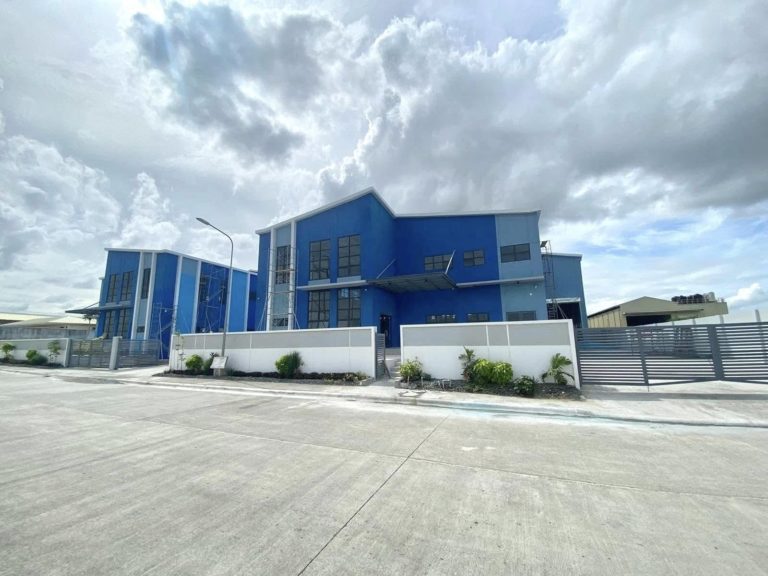
What to Evaluate Before Signing a Warehouse Lease
Industrial leasing decisions carry long-term operational consequences. A facility that looks adequate on a site visit can hide material limitations that only surface under live operating conditions. The following framework covers the critical evaluation areas every business should work through before committing to a lease.
1. Expressway and Port Accessibility
Map the actual route (not the straight-line distance) from the warehouse to your key delivery zones, supplier pickup points, and port or airport connections. Calculate realistic travel times during peak hours. Even a 10-kilometer difference in location can translate into an additional 30–45 minutes of transit time per trip on Metro Manila’s road network, which compounds significantly across a fleet.
2. Flood Risk and Site Elevation
Flood exposure is among the most consequential risks for industrial operations in Metro Manila and surrounding provinces. A single flood event can destroy inventory, damage equipment, and halt operations for days or weeks. Review Project NOAH flood hazard maps, check site elevation relative to surrounding drainage infrastructure, and ask landlords for historical flooding records covering the past five years at minimum. For high-value inventory or cold chain operations, flood risk tolerance should be near zero.
3. Power Capacity and Backup Infrastructure
Verify the transformer capacity allocated to the facility and confirm that it can support your peak electrical load, including all refrigeration systems, automation equipment, lighting, and ancillary operations running simultaneously. For cold storage and manufacturing operations, redundant backup power (generator sizing, automatic transfer switches, fuel storage) should be treated as essential infrastructure, not an optional upgrade.
4. Ceiling Height and Structural Load
Minimum eave height is one of the most frequently underestimated specifications in warehouse evaluation. Modern racking systems typically require 10–12 meters of clear height to operate efficiently. Facilities below 8 meters significantly constrain vertical storage density, increasing the floor area required for equivalent inventory capacity. Confirm structural floor load ratings (typically expressed in tonnes per square meter) and identify any column grid spacing limitations that may restrict racking layout.
5. Truck Court and Dock Configuration
Adequate truck court depth (minimum 30 meters for 12-meter trailers) is essential for efficient loading and unloading operations. Evaluate the number, type (flush dock, raised dock, or ground-level), and condition of loading bays. For high-throughput operations, dock levelers, dock seals, and dock lighting are standard requirements that should be factored into both the facility assessment and lease terms.
6. Lease Terms and Escalation
Standard industrial leases in the Philippines typically range from one to five years, with annual rent escalations of 5–10%. Negotiate clearly on: rent-free fit-out periods for significant infrastructure installations, maintenance and repair allocation between landlord and tenant, permitted alterations (particularly for cold storage fit-outs), and exit provisions for early termination. Engaging a commercial real estate broker with industrial leasing experience is strongly recommended for high-value or long-term lease negotiations.
Industrial Real Estate as a Long-Term Growth Asset in the Philippines
Industrial property has consistently been one of the most resilient segments of commercial real estate globally—and the Philippines is no exception. The structural drivers of demand: e-commerce growth, supply chain modernization, infrastructure investment, and population-driven consumption; are multi-decade forces, not cyclical trends.
Within the Philippines, the development of NMIA in Bulacan, the expansion of CALAX and TPLEX, and continued investment in port infrastructure at Batangas and Manila are all expected to increase the strategic value of well-positioned industrial properties along these corridors over the coming decade.
For investors and property owners, industrial warehousing in Metro Manila’s surrounding provinces offers a compelling combination of stable long-term demand, relatively lower land costs compared to commercial or residential property, and tenants who typically commit to multi-year leases—characteristics that support predictable income and long-term asset appreciation.
Finding the Right Industrial Warehouse in Metro Manila
Industrial warehouses have become as strategically important to a business’s success as the products it distributes. In an environment where delivery speed, inventory accuracy, and supply chain resilience increasingly determine competitive advantage, the warehouse is no longer a back-office consideration—it is a front-line operational asset.
Whether your business requires a large-format distribution hub in Cavite, a cold chain-capable facility in Laguna, a northern Luzon staging point in Bulacan, or an urban fulfillment center in Valenzuela, understanding what each location offers is the foundation of a sound leasing decision.
Presello’s commercial property specialists work with logistics operators, distributors, and business owners to identify industrial facilities that match both current operational requirements and long-term growth plans.
Frequently Asked Questions
Cavite, Laguna, Bulacan, and Valenzuela remain the strongest industrial corridors. Each serves a distinct operational profile: Cavite for southern distribution and e-commerce, Laguna for manufacturing-adjacent logistics and cold chain, Bulacan for northern Luzon coverage and future airport-proximate operations, and Valenzuela for same-day urban delivery within Metro Manila.
Cavite offers direct expressway access via CALAX and CAVITEX, competitive lease rates relative to Metro Manila industrial zones, larger available warehouse footprints, and strong connectivity to Manila ports and CALABARZON markets. It is one of the most active industrial leasing markets in the Philippines.
Logistics and 3PL providers, e-commerce fulfillment operators, FMCG manufacturers and distributors, pharmaceutical companies, food and beverage producers, automotive parts distributors, cold chain operators, and import-export businesses are among the most active industrial warehouse tenants in Metro Manila and surrounding provinces.
A cold storage warehouse is a temperature-controlled industrial facility designed to store perishable goods—including fresh produce, frozen food, pharmaceuticals, and medical supplies—at precise temperature ranges. Key infrastructure requirements include multi-zone refrigeration systems, specialized insulation panels, high-capacity backup power, temperature lock loading docks, and compliance with relevant FDA and food safety standards.
Key evaluation areas include expressway and port accessibility, flood risk and site elevation, power capacity and backup infrastructure, ceiling height and floor load ratings, truck court depth and dock configuration, and lease terms including escalation clauses and permitted alterations. For high-value or long-term leases, professional broker representation is strongly recommended.
Industrial warehouse leases in the Philippines typically run from one to five years, with annual rent escalations of 5–10%. Larger facilities and purpose-built cold storage or manufacturing properties may carry longer minimum terms. Rent-free fit-out periods are negotiable for tenants making significant infrastructure investments.
PEZA (Philippine Economic Zone Authority) registration applies to businesses operating within accredited economic zones. PEZA-registered enterprises may be eligible for income tax holidays, reduced corporate tax rates, and exemptions from certain import duties on equipment and raw materials. Businesses evaluating Laguna and Cavite industrial parks with PEZA accreditation should consult their legal and tax advisors to assess eligibility and benefit applicability.